




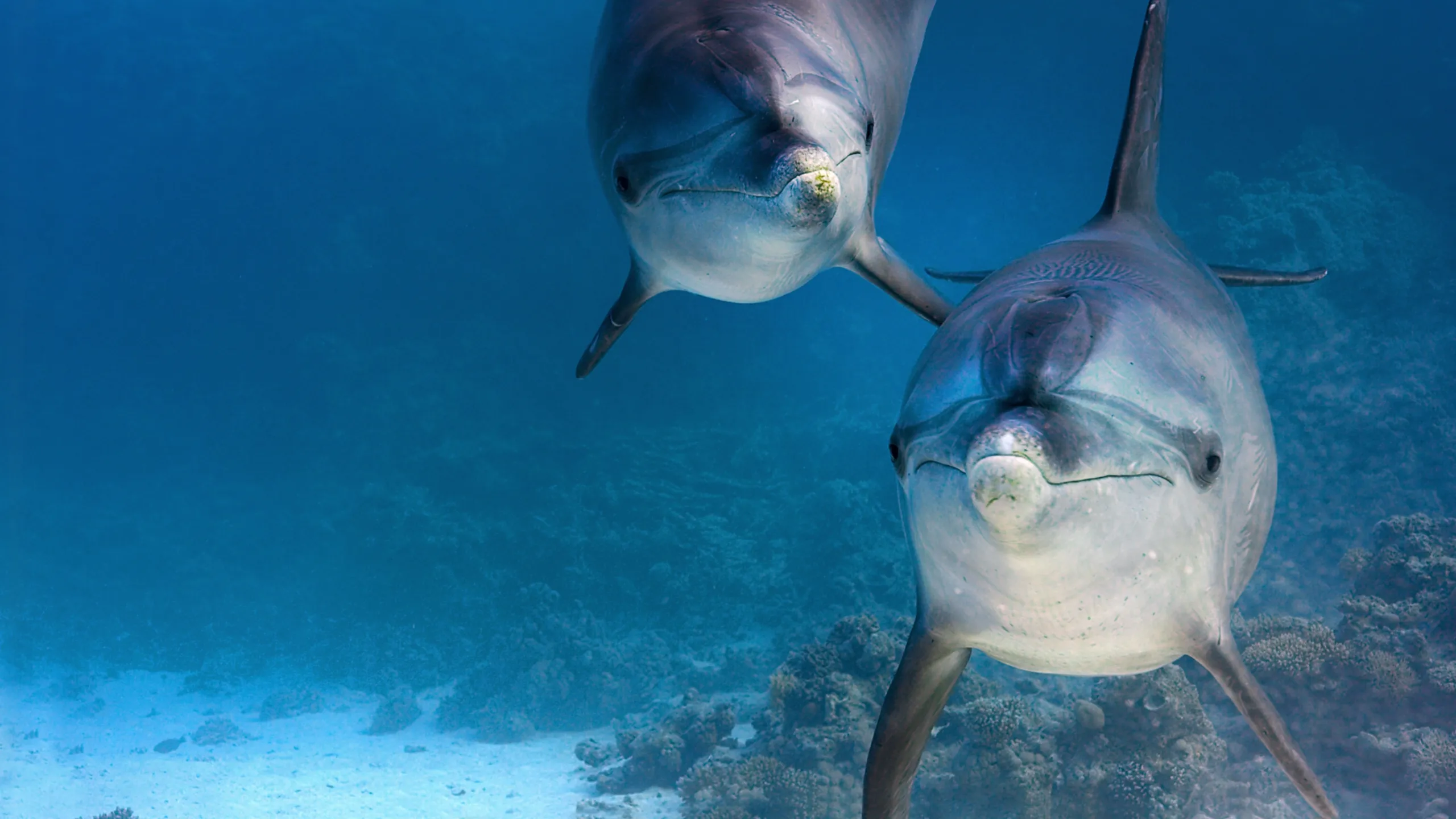
Dolphin Reef is one of the most fascinating marine attractions in the world, offering visitors a rare opportunity to observe and interact with dolphins in a natural and respectful environment. Located on the southern coast of Israel in the Red Sea region, Dolphin Reef is not a typical aquarium or theme park. Instead, it is a carefully managed ecological site where dolphins live freely in their natural habitat while humans are allowed to observe and sometimes share their space under strict guidelines. The reef is known for combining tourism, marine biology, conservation, and wellness experiences, making it a globally recognized destination for nature lovers and travelers seeking meaningful encounters with marine life.
Location and Natural Setting
Dolphin Reef is situated along the coastline of Eilat, a resort city known for its warm climate, coral reefs, and clear waters. The reef stretches into the Red Sea, one of the most biodiverse marine ecosystems in the world. The calm waters and rich coral formations provide an ideal habitat for bottlenose dolphins, fish species, and other marine organisms. The area is carefully protected to maintain ecological balance, ensuring that human activity does not disturb the natural behaviors of marine life. Visitors often describe the environment as peaceful and immersive, with soft sandy beaches, shaded relaxation areas, and shallow waters that transition into deeper reef zones.
History and Development
Dolphin Reef was established in the early 1990s as a conservation-oriented project designed to create a new model of human–dolphin interaction. Unlike traditional marine parks that keep dolphins in captivity, this site was designed to allow dolphins to live freely while still being observed and studied. Over time, the reef became home to a resident pod of bottlenose dolphins that chose to remain in the protected area due to the availability of food, safety, and minimal stress from human interference. The project has been widely studied by marine biologists as an example of ethical wildlife tourism and sustainable ecosystem management.
The Dolphins of Dolphin Reef
The dolphins at Dolphin Reef are the main attraction, particularly the bottlenose dolphins known for their intelligence, curiosity, and playful behavior. These dolphins are not trained to perform tricks, which sets this location apart from conventional marine parks. Instead, they engage in natural behaviors such as swimming, hunting, socializing, and interacting with their environment. Occasionally, they approach human swimmers out of curiosity, but all interactions are voluntary and never forced. This freedom creates a more authentic and respectful experience for both humans and dolphins.
Human–Dolphin Interaction Experience
One of the most unique aspects of Dolphin Reef is the opportunity for controlled and ethical human–dolphin interaction. Visitors can snorkel or dive in designated areas where dolphins may naturally pass by. There are strict rules in place to ensure that the animals are not disturbed, such as no chasing, no touching unless initiated by dolphins, and maintaining a calm presence in the water. Trained guides supervise all activities to ensure safety and ecological respect. This approach allows people to experience a rare emotional connection with wild dolphins while preserving their natural lifestyle.
Marine Life and Coral Ecosystem
Beyond dolphins, Dolphin Reef is home to a vibrant coral ecosystem filled with diverse marine species. Colorful reef fish, sea urchins, rays, and crustaceans inhabit the waters, creating a dynamic underwater landscape. The coral reefs play a critical role in maintaining the ecological balance of the area, providing shelter and food for marine life. Conservation efforts are continuously implemented to protect these fragile ecosystems from pollution, overuse, and climate-related damage. Educational programs also help visitors understand the importance of coral preservation and marine biodiversity.
Conservation and Environmental Importance
Dolphin Reef is not only a tourist attraction but also a center for marine conservation and research. Scientists and environmentalists study dolphin behavior, communication, and social structures in this semi-natural environment. The site promotes awareness about ocean conservation and the importance of protecting marine habitats from human destruction. Sustainable tourism practices are strictly enforced, including limiting the number of visitors and controlling water activities. This ensures that the ecosystem remains healthy and that the dolphins continue to thrive in a low-stress environment.
Visitor Experience and Facilities
Visitors to Dolphin Reef can enjoy a wide range of facilities designed to enhance comfort while maintaining harmony with nature. There are shaded relaxation areas, beaches, observation platforms, and eco-friendly dining options. The site also offers guided tours, snorkeling equipment rentals, and diving experiences for different skill levels. Many visitors choose to simply relax by the water and observe dolphins from the shore, while others prefer to enter the water for a closer experience. The atmosphere is calm and serene, making it suitable for families, solo travelers, and nature enthusiasts.
Activities Available at Dolphin Reef
A variety of activities are available for visitors seeking both adventure and relaxation. Snorkeling is one of the most popular activities, allowing guests to explore shallow reef areas and observe marine life up close. Diving excursions take visitors deeper into the Red Sea ecosystem, where they can witness coral formations and larger marine species. Floating platforms and observation decks provide alternative ways to watch dolphins without entering the water. Wellness activities such as beach yoga and meditation sessions are also offered, emphasizing the connection between nature and mental well-being.
Best Time to Visit Dolphin Reef
The best time to visit Dolphin Reef is during the warmer months when water visibility is highest and marine activity is at its peak. Spring and early autumn are particularly favorable due to comfortable temperatures and calmer sea conditions. Morning hours are often recommended for snorkeling and dolphin observation, as marine life tends to be more active. Visitors are encouraged to check weather and sea conditions in advance to ensure a safe and enjoyable experience.
Tips for Visitors
Visitors should follow all guidelines provided by the staff to ensure both personal safety and environmental protection. It is important to avoid using sunscreen that harms coral reefs, stay within designated swimming areas, and respect all marine life. Bringing underwater cameras can enhance the experience, but flash photography should be avoided. Comfortable swimwear, water shoes, and hydration are essential for a full day at the reef. Most importantly, patience is key, as dolphin encounters are natural and cannot be guaranteed.
Conclusion
Dolphin Reef stands as a remarkable example of how tourism, conservation, and education can work together in harmony. By allowing dolphins to live freely while offering humans the chance to observe them responsibly, it creates a rare bridge between species. The combination of natural beauty, ecological diversity, and ethical wildlife interaction makes it one of the most unique marine destinations in the world. For anyone interested in marine life, conservation, or simply experiencing something truly special, Dolphin Reef offers an unforgettable journey into the heart of the ocean’s wonders.
About the Author