




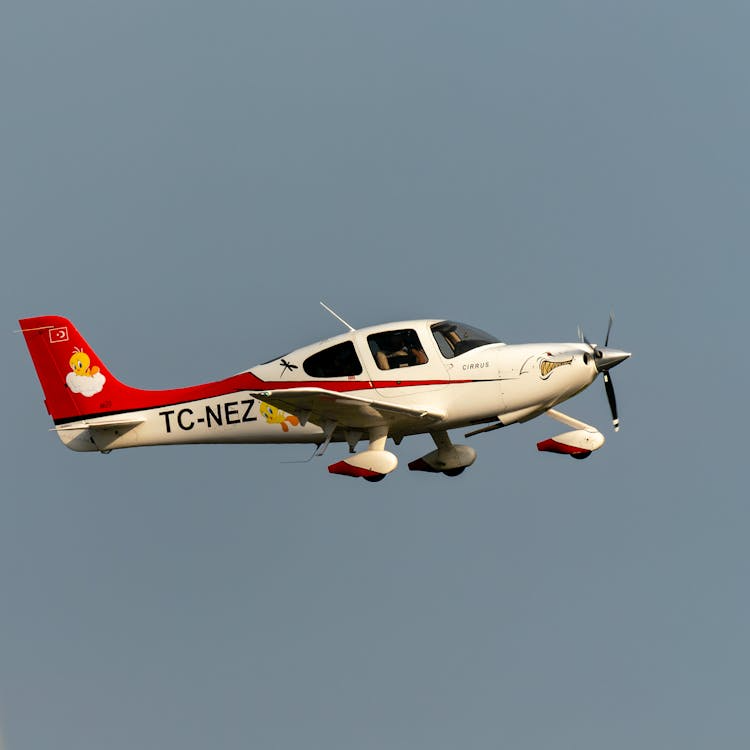
Aircraft maintenance isn’tjust about followingchecklists,it’s about staying one step ahead of invisible threats that could ground your aircraft. Among these threats, corrosion ranks as one of the most persistent and costly adversaries facing aviation professionals today. Rust and corrosion don’t just compromise structural integrity; they eat away at aircraft lifespan and create safety hazards that escalate quickly when overlooked. The aviation industry hemorrhages billions annually on corrosion-related repairs and premature component replacements, making prevention strategies not just important but essential.
Understanding Corrosion in Aviation Environments
Aircraftdon’t just sit around, they face conditions that would make ground vehicles crumble in months. The relentless combination of altitude swings, temperature extremes, moisture exposure, and atmospheric contaminants creates an environment where metal surfaces wage a constant battle against degradation. Salt-laden coastal air? That’sarguably the worst culprit, with sodium chloride particles sneaking into even the tiniest crevices and triggering electrochemical reactions that systematically destroy protective coatings and base metals. Then you’ve got industrial pollutants, acid rain, and those harsh de-icing chemicals that northern airports can’t avoid during winter operations, all working together to accelerate the damage.
Regular Inspection and Early Detection Protocols
About corrosion prevention, inspection routines form the absolute foundation of any program that works. Visual examinations need to happen regularly, and not just casual walkarounds. You’ll want to focus on high-risk zones: landing gear assemblies, wing root joints, battery compartments, and anywhere near lavatories where moisture loves to accumulate. Borescope inspections let technicians’ peek inside internal structures, examine control cables, and check hidden compartment areas that would otherwise remain completely invisible during standard checks.
Environmental Control and Storage Practices
Controlling the environment around parked aircraft might seem basic, but it dramatically reduces corrosion risk and stretches the time between required maintenance interventions. Hangar storage provides the gold standard, shielding aircraft from precipitation, direct sunlight, and atmospheric pollutants while enabling climate control that keeps temperature and humidity levels stable. Can’t secure hangar space? High-quality protective covers for engine inlets, exhaust ports, and cockpit windows still prevent moisture from sneaking into critical interior spaces. Dehumidification systems and strategically placed desiccant packs within fuselage compartments absorb ambient moisture before condensation forms on metal surfaces during extended storage periods.
Protective Coatings and Treatment Applications
Applying the right protective coatings creates critical barriers between metal surfaces and those corrosive environmental factors constantly looking for weak spots. Modern aviation-grade primers don’t just sit there passively, they incorporate corrosion inhibitors that actively resist electrochemical reactions even when topcoat finishes get damaged or abraded during normal operations. Specialized conversion coatings chemically alter aluminum surfaces to create stable oxide layers that resist further oxidation while providing excellent adhesion for subsequent paint systems. Zinc chromate and strontium chromate primers have traditionally delivered superior corrosion resistance, though environmental regulations increasingly push operators toward newer, less toxic formulations that maintain comparable protective properties. Topcoat polyurethane finishes offer outstanding durability and weather resistance while delivering the aesthetic appearance that well-maintained aircraft deserve. Critical fastener locations benefit enormously from sealant applications that block moisture intrusion along threaded interfaces where dissimilar metals meet, and crevice corrosion develops with alarming speed. When protecting internal structures, control cables, and electrical connections, professionals who need to displace moisture and establish long-lasting protective films often use corrosion-x for its resistance to washout during normal flight operations. Many operators implement comprehensive corrosion control programs that strategically combine multiple product types applied according to location-specific requirements and exposure risks. Touch-up procedures addressing minor paint damage should happen promptly; even small coating breaches expose bare metal to accelerated local corrosion that spreads beneath adjacent intact finishes like an infection. Annual or biannual complete aircraft refinishing represents significant expense, but it provides valuable opportunities for thorough structural inspection while renewing comprehensive protective coating systems from the ground up.
Cleaning and Maintenance Best Practices
Proper cleaning techniques remove contaminants effectively while avoiding practices that inadvertently accelerate corrosion or damage existing protective treatments. PH-neutral cleaning solutions specifically formulated for aircraft applications cut through dirt, oil, and environmental deposits without attacking aluminum surfaces or degrading paint and sealant systems. High-pressure washing demands careful technique, you definitely don’t want to force water into structural joints, around fasteners, or through drain holes designed exclusively for outward moisture flow. Immediate post-wash drying procedures using compressed air directed into seams and recesses prevent trapped moisture from initiating hidden corrosion that stays undetected until significant damage occurs.
Specialized Protection for High-Risk Components
Certain aircraft areas demonstrate heightened corrosion vulnerability that demands focused protective strategies beyond your standard maintenance practices. Exhaust systems experience extreme temperatures and corrosive combustion byproducts that rapidly degrade materials despite specialized high, temperature coatings designed specifically for these harsh environments. Battery compartments face continuous exposure to acidic or alkaline vapors depending on battery chemistry, which necessitates frequent inspections and enhanced protective treatments for surrounding structure. Control cable systems require regular lubrication with moisture-displacing compounds that prevent internal strand corrosion while maintaining the necessary flexibility for proper flight control operation.
Conclusion
Effective aircraft rust prevention demands comprehensive strategies that address multiple factors, from environmental control and regular inspections to appropriate protective treatments and proper maintenance practices. The economic implications of corrosion stretch far beyond immediate repair costs to encompass reduced aircraft values, increased insurance premiums, and potential safety incidents resulting from undetected structural degradation. Modern aviation maintenance professionals must stay current with evolving protective technologies, inspection techniques, and regulatory requirements governing corrosion control programs. By implementing robust prevention protocols tailored to specific operational environments and aircraft types, owners and operators can significantly extend service life, maintain safety margins, and optimize long, term operational economics.
About the Author