



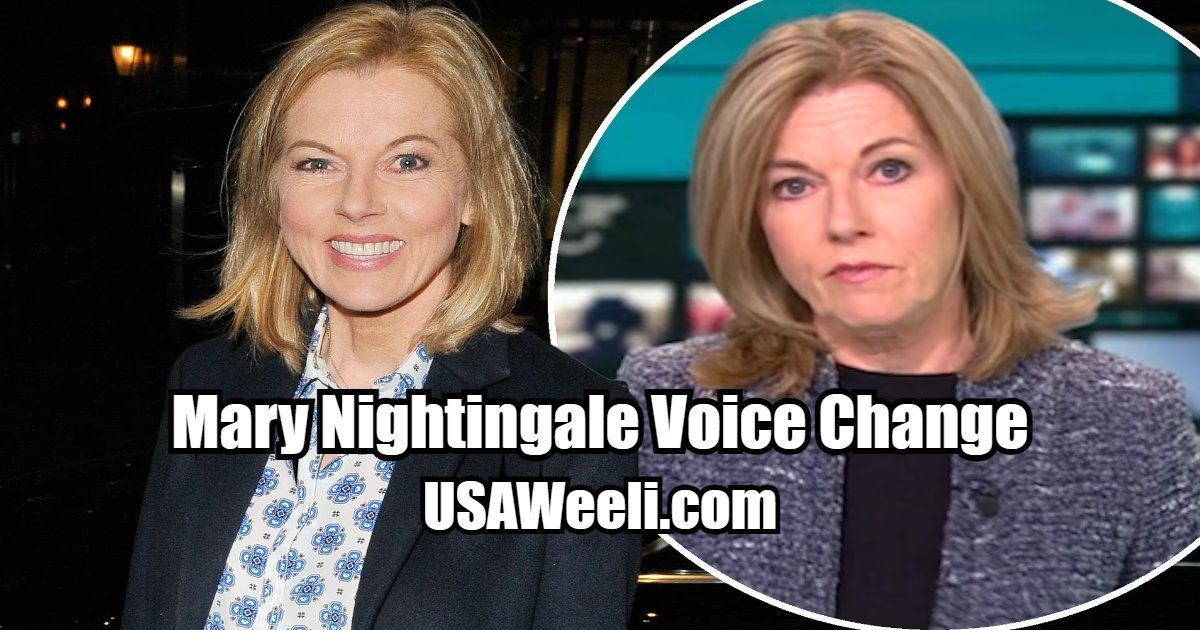
Mary Nightingale Voice Change
Mary Nightingale has been one of the most recognizable faces—and voices—on British television for decades. As a trusted ITV News presenter, her calm delivery and authoritative tone have become part of the daily routine for millions of viewers. That’s exactly why the topic Mary Nightingale voice change has caught so much attention online. When someone so familiar sounds even slightly different, people notice immediately.
Over recent years, many viewers have commented on social media and discussion forums that Mary Nightingale’s voice sounds deeper, raspier, or more strained than it once did. Some fans expressed concern, while others were simply curious about whether age, health, or professional factors played a role. The conversation grew steadily, turning a subtle vocal shift into a widely searched topic.
This article breaks down the Mary Nightingale voice change in a clear, factual, and expert-backed way. We’ll explore possible causes, public reactions, professional insights, and why Mary Nightingale Voice Change are actually very common—especially for long-serving broadcasters.
Who Is Mary Nightingale and Why Her Voice Matters
Mary Nightingale is not just another newsreader; she is a broadcasting institution. Having joined ITV News in the early 2000s, she became the lead anchor of the ITV Evening News and later the ITV News at Ten. Her voice has always been a major part of her credibility—measured, steady, and reassuring during moments of national importance.
In broadcast journalism, voice is more than sound. It represents trust, authority, and emotional control. Viewers subconsciously associate a presenter’s voice with reliability, which is why even small changes can feel significant. When people search for Mary Nightingale voice change, they are really reacting to a disruption in familiarity rather than a dramatic transformation.
Over years of daily broadcasting, a presenter’s voice naturally becomes part of the public’s life. This long-term exposure means audiences can detect differences that might otherwise go unnoticed. In Mary Nightingale’s case, the attention reflects her importance, not a failure or decline.
When Did Viewers First Notice the Voice Change?
The discussion around Mary Nightingale Voice Change didn’t begin overnight. Gradually, viewers began commenting that her voice sounded hoarser or lower than before, particularly during longer news segments or late-night broadcasts. These observations appeared sporadically at first, then became more frequent across platforms like Twitter, Reddit, and TV discussion forums.
Many viewers pointed out that the change seemed more noticeable during periods of heavy news coverage, such as political crises or major global events. This led some to wonder whether vocal strain from extended broadcasts could be a factor. Others speculated about health issues, though no official confirmation or alarming reports ever surfaced.
It’s important to note that Mary Nightingale herself has not publicly stated that anything is “wrong” with her voice. In the absence of direct statements, the conversation has remained largely speculative, driven by audience perception rather than documented medical concerns.
Possible Reasons Behind Mary Nightingale Voice Change
One of the most common explanations for Mary Nightingale Voice Change is natural vocal aging. As people age, the vocal cords can lose elasticity and strength, leading to a deeper or raspier tone. This is completely normal and happens to singers, teachers, and broadcasters alike.
Another major factor could be vocal fatigue. News presenters use their voices intensively, often under high-pressure conditions. Speaking clearly for extended periods, especially during breaking news, can strain the vocal cords. Over time, this strain can subtly alter how a voice sounds on air.
Environmental factors also play a role. Studio air conditioning, dry air, stress, and long hours can all impact vocal quality. Unlike singers, news presenters cannot always rest their voices or adjust schedules, making small changes almost inevitable over a long career.
Health Speculation vs. Professional Reality
Whenever a public figure experiences a noticeable change, health speculation quickly follows. In the case of Mary Nightingale Voice Change, some viewers wondered if it could be linked to illness or medical treatment. However, there has been no verified public information confirming any serious health condition related to her voice.
Medical professionals often explain that hoarseness or vocal changes can result from minor issues such as acid reflux, seasonal allergies, or mild inflammation. These conditions are extremely common and often temporary, even if they recur from time to time.
From a professional standpoint, broadcasters are trained to manage their voices carefully. If Mary Nightingale had experienced a serious vocal issue, ITV would likely have adjusted her schedule or issued a statement. The absence of such action strongly suggests that the voice change is manageable and not medically alarming.
Audience Reaction and Public Support
What stands out most in discussions about Mary Nightingale Voice Change is the tone of public reaction. Rather than criticism, the majority of comments reflect concern, affection, and respect. Viewers often say they would “listen to her regardless” because of her journalistic integrity and experience.
Some fans even argue that her deeper or slightly rougher tone adds gravitas, making serious stories feel more grounded and authentic. In journalism, perfection is less important than trust, and Mary Nightingale continues to deliver that in full.
This reaction highlights an important truth: audiences value substance over surface-level details. While people notice changes, they remain loyal to presenters who consistently demonstrate professionalism and credibility.
Voice Changes in Long-Term Broadcasters: A Common Phenomenon
Mary Nightingale is far from alone when it comes to vocal changes in broadcasting. Many long-serving news anchors experience similar shifts over time. The human voice is a physical instrument, and like any instrument, it evolves with use, age, and experience.
Broadcasters such as newsreaders, radio hosts, and commentators often undergo vocal coaching later in their careers to adapt to these changes. Adjustments in breathing technique, pacing, and tone can help maintain clarity and comfort on air without trying to “sound younger.”
Rather than being a flaw, these changes often signal longevity and experience. A seasoned voice can convey authority and calm in a way that newer voices sometimes cannot, which may explain why Mary Nightingale remains such a respected figure.
Has Mary Nightingale Addressed the Voice Change Publicly?
As of now, Mary Nightingale has not made a direct public statement specifically addressing her voice. This silence should not be interpreted negatively. Many broadcasters choose not to comment on minor physical changes unless they impact their ability to work.
From a professional perspective, continuing to present high-profile news programs speaks louder than words. Her ongoing presence on ITV News suggests confidence from both herself and the network in her performance.
In media careers, actions often matter more than explanations. Mary Nightingale’s consistency indicates that any voice change has not affected her journalistic standards or on-screen effectiveness.
Why the Topic Mary Nightingale Voice Change Keeps Trending
Search interest in Mary Nightingale voice change continues because it sits at the intersection of familiarity and curiosity. Viewers who have listened to her for years naturally want to understand any noticeable difference, even when it’s minor.
Additionally, modern audiences are more vocal online than ever before. Social media amplifies observations that might once have remained private thoughts. A few comments can quickly turn into a trending topic, especially when they involve a well-known public figure.
Ultimately, the ongoing interest reflects Mary Nightingale’s relevance. People do not analyze voices they don’t care about. The conversation exists because she remains a central figure in British news broadcasting.
Final Thoughts on Mary Nightingale Voice Change
The discussion around Mary Nightingale Voice Change is best understood through a balanced lens. Voice changes are natural, especially for professionals who rely on their voices daily over many years. There is no credible evidence suggesting a serious issue, and her continued success speaks volumes.
Rather than focusing on speculation, it’s worth appreciating the longevity and professionalism that Mary Nightingale represents. Few journalists maintain such a strong presence over decades, and subtle vocal changes are a small part of that long journey.
In the end, Mary Nightingale Voice Change or not—still delivers clarity, authority, and trust. And for most viewers, that’s what truly matters.
You May Also Read
About the Author