


Few civilizations in human history have captured the imagination of the world quite like Ancient Egypt. Stretching along the banks of the Nile River for thousands of years, this remarkable civilization produced some of the most beautiful and valuable objects ever created. From golden burial masks and dazzling jewelry to intricately carved statues and sacred amulets, the treasures of ancient Egypt continue to fascinate historians, scientists, collectors, and travelers alike. These objects are not simply luxurious decorations; they are powerful symbols of art, science, religion, and social status that defined one of the most advanced cultures of the ancient world.
The beauty and luxury of Egyptian treasures often receive the most attention, especially because of their brilliant use of gold and precious stones. However, behind their beauty lies an extraordinary combination of scientific knowledge, skilled craftsmanship, and deep religious meaning. Understanding the treasures of Ancient Egypt requires looking beyond their dazzling surfaces to explore the knowledge, technology, and cultural beliefs that made their creation possible.
The Role of Wealth and Luxury in Egyptian Society
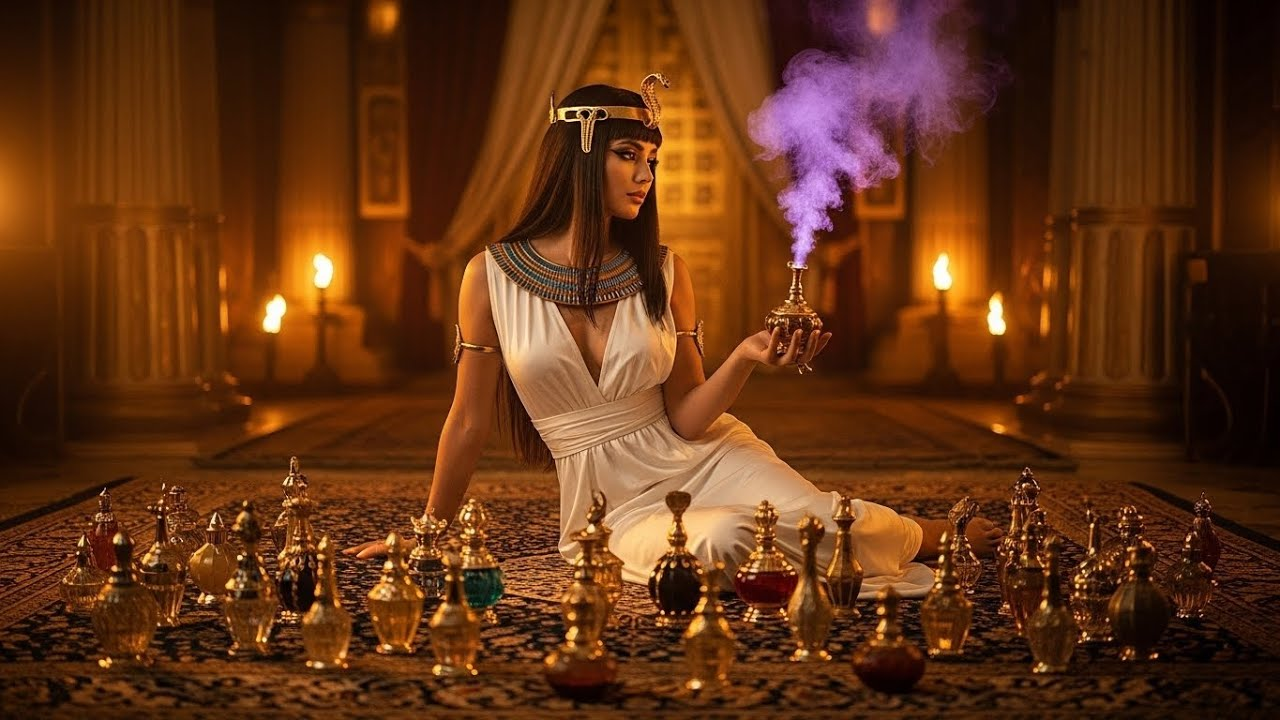
Luxury played an important role in Egyptian society, particularly among royalty, priests, and high-ranking officials. Wealth in ancient Egypt was often expressed through jewelry, ceremonial objects, and decorative art made from precious materials. Gold, gemstones, ivory, and rare woods were highly prized, and skilled artisans transformed these materials into stunning works of art.
For Egyptian rulers, luxury objects were more than displays of wealth. They represented power, divine authority, and connection with the gods. Pharaohs were believed to rule not only as political leaders but also as divine figures who maintained balance and harmony in the universe. As a result, their personal belongings and burial objects were designed to reflect both earthly power and spiritual significance.
One of the most famous examples of Egyptian luxury is the golden burial mask of Tutankhamun. Discovered in 1922 by archaeologist Howard Carter, the mask is made primarily of gold and decorated with colorful glass and precious stones. Its remarkable beauty immediately captured global attention and remains one of the most recognizable artifacts from ancient Egypt.
The mask symbolizes the incredible craftsmanship and luxury that defined Egyptian royal treasures. Yet it also reveals deeper layers of meaning connected to religion, science, and beliefs about the afterlife.
Gold: The Metal of the Gods
Gold was the most treasured material in ancient Egypt. Egyptians referred to gold as the “flesh of the gods,” believing that it possessed divine qualities and eternal beauty. Unlike many other metals, gold does not rust or tarnish, which made it a perfect symbol of immortality.
Egypt was fortunate to have access to rich gold mines, particularly in the region of Nubia. These mines provided enormous quantities of gold that allowed Egyptian artisans to create jewelry, statues, ceremonial vessels, and royal decorations. Gold was also used extensively in temples and palaces to demonstrate the wealth and power of the pharaoh.
The scientific understanding of metals played an important role in how Egyptians worked with gold. Although they did not possess modern chemical knowledge, Egyptian craftsmen developed advanced techniques for refining, shaping, and polishing gold. They could hammer gold into extremely thin sheets known as gold leaf, which were used to cover statues and decorative objects.
These techniques required not only artistic skill but also practical knowledge of materials and heat treatment. Through experimentation and experience, Egyptian artisans mastered the art of metalworking centuries before many other civilizations achieved similar results.
Precious Stones and Color Symbolism
Gold alone did not define Egyptian luxury. Precious stones and colored materials were equally important in creating beautiful and meaningful objects. Egyptians believed that colors carried symbolic power, and they carefully selected gemstones based on their spiritual associations.
One of the most commonly used stones was lapis lazuli, a deep blue gemstone that symbolized the heavens and divine power. Because lapis lazuli was rare in Egypt, it had to be imported through trade routes from distant regions such as Afghanistan. Its rarity made it especially valuable for royal jewelry and ceremonial objects.
Turquoise and carnelian were also popular gemstones. Turquoise symbolized protection and joy, while carnelian represented energy and vitality. Egyptian artisans combined these stones with gold to create jewelry pieces that were both visually stunning and spiritually meaningful.
A famous example of such craftsmanship can be seen in the treasures found in the tomb of Tutankhamun, where necklaces, rings, and amulets were decorated with vibrant gemstones arranged in intricate patterns. These pieces reveal the extraordinary attention to detail that Egyptian craftsmen applied to their work.
The scientific understanding of mineral properties also influenced the selection of these stones. Artisans knew how to cut and polish them to enhance their color and shine, creating jewelry that would remain beautiful for thousands of years.
Engineering Marvels and Artistic Mastery
The treasures of ancient Egypt were not limited to jewelry and small decorative objects. Large monuments, statues, and architectural decorations also reflected the civilization’s mastery of engineering and artistic design.
The construction of temples and pyramids required advanced knowledge of geometry, mathematics, and structural planning. The most famous example is the Great Pyramid of Giza, which remains one of the most impressive architectural achievements in human history.
Although pyramids themselves were not treasures in the same way as jewelry, they housed some of the most valuable objects created by Egyptian artisans. Inside royal tombs, archaeologists have discovered chariots, statues, furniture, and ceremonial items crafted from rare materials and decorated with gold and gemstones.
The level of craftsmanship involved in these objects reflects the high level of training and organization among Egyptian artisans. Workshops attached to temples and royal courts employed skilled workers who specialized in carving, metalworking, painting, and inlay techniques.
These craftsmen worked under the supervision of master artists who ensured that every object met strict standards of quality and symbolic accuracy.
Religion and the Afterlife
Religion was the central force shaping the creation of Egyptian treasures. Egyptians believed that life continued after death, and they prepared extensively for this transition to the afterlife. Tombs were filled with objects intended to serve the deceased in the next world.
Jewelry, furniture, food containers, and protective amulets were carefully placed within tombs to provide comfort and protection. Many objects were decorated with symbols associated with gods and spiritual guardians.
One important figure in Egyptian mythology was Osiris, who ruled over the realm of the dead. Egyptians believed that the deceased would be judged by Osiris and granted eternal life if they had lived a righteous life.
Because of these beliefs, burial objects were crafted with extraordinary care. Gold masks, elaborate coffins, and protective amulets ensured that the spirit of the deceased would recognize its body and remain safe during its journey into the afterlife.
This spiritual purpose explains why Egyptian treasures were often buried rather than displayed. They were intended to serve the dead rather than the living.
Scientific Discoveries from Egyptian Treasures
Modern science has helped reveal even more about the treasures of ancient Egypt. Archaeologists, chemists, and historians analyze these objects to understand how they were made and what materials were used.
For example, scientific studies have shown that Egyptian artisans used natural adhesives and mineral pigments to create vibrant colors that remain visible today. Techniques such as X-ray imaging and microscopic analysis allow researchers to study hidden layers within artifacts without damaging them.
These investigations reveal the remarkable level of technological knowledge possessed by ancient Egyptian craftsmen. Even without modern equipment, they achieved results that continue to impress scientists and historians.
Research also helps preserve these treasures for future generations. Museums around the world use advanced conservation techniques to protect fragile artifacts from environmental damage and aging.
The Enduring Legacy of Egyptian Luxury
The treasures of ancient Egypt continue to inspire people across the world. Museums attract millions of visitors who come to admire the beauty of Egyptian artifacts and learn about the civilization that produced them.
Objects discovered in tombs and temples provide valuable insight into the daily life, religious beliefs, and artistic achievements of ancient Egyptians. They remind us that luxury in ancient Egypt was not merely about wealth; it was deeply connected to spirituality, science, and cultural identity.
These treasures also influence modern art, jewelry design, and architecture. Designers often draw inspiration from Egyptian patterns, symbols, and color combinations. The elegance and balance of Egyptian design continue to shape creative expression thousands of years after the civilization’s decline.
Ultimately, the beauty, science, and luxury behind the treasures of ancient Egypt reveal the extraordinary achievements of a civilization that valued both artistic excellence and spiritual meaning. Through gold, gemstones, and masterful craftsmanship, the Egyptians created objects that were not only visually stunning but also deeply connected to their understanding of life, death, and eternity.
Their treasures have survived for millennia, offering a timeless reminder of human creativity and the enduring desire to create beauty that lasts forever.
About the Author