Let’s get one thing straight. Beef tallow is not some scary new thing. It is simply rendered beef fat. People have cooked with it for thousands of years. Then, in the 1990s, everyone got scared of fat. We threw out the good stuff. We replaced it with seed oils in plastic bottles.
That was a mistake. Now, the world is waking up. We are asking, “What is beef tallow, and why did we ever leave it?” This article will tell you everything. You will learn the benefits, the best uses, and why grass-fed beef tallow is worth the extra cash. Forget the boring science class. This is the real, gritty truth about cooking with animal fat.
🐄 World Famous Types of Beef Tallow
Grass‑fed, Wagyu, organic, pasture‑raised & conventional — real nutrition facts (per 1 tablespoon / ~14g).
| Beef Tallow Type | Calories | Total Fat (g) | Saturated Fat (g) | Monounsaturated Fat (g) | Polyunsaturated Fat (g) | Key Highlights |
|---|---|---|---|---|---|---|
|
🌾 Grass-Fed Beef Tallow
100% grass-fed & finished
|
130 | 14g | 6–7g | 5–6g | ~1g |
|
|
🐃 Wagyu Beef Tallow
Japanese / American Wagyu
|
120–130 | 13–14g | 5–6g | 7–8g | 0.5–2g |
|
|
🌿 Organic Beef Tallow
USDA organic / Soil Association
|
130 | 14g | 7–8g | 5–6g | ~0.5g |
|
|
🌻 Pasture-Raised Beef Tallow
regenerative & free‑range
|
130 | 14g | 6–7g | 5–6g | ~1g |
|
|
🏭 Conventional Beef Tallow
standard grain‑finished
|
115 | 12.8g | 6.4g | 5g | 0.4–0.7g |
|
Values are compiled from trusted nutritional databases and product labels (USDA, FatSecret, Eat This Much, Holland & Barrett, Primal Pastures, and verified tallow brands). Grass‑fed, pasture‑raised and organic tallow typically contain slightly higher levels of fat‑soluble vitamins and CLA. Wagyu tallow offers a higher monounsaturated fat profile due to marbling genetics. Always check individual product labels for exact composition.
🔍 Sources: USDA FoodData Central; FatSecret (Fatworks, Epic); Eat This Much (Fatworks Wagyu, South Chicago Packing); Hunter & Gather Organic Tallow (UK); Primal Pastures Pasture‑Raised; Everyday Health / Bodyspec USDA reference (conventional tallow).
What is Beef Tallow? (The Simple Truth)
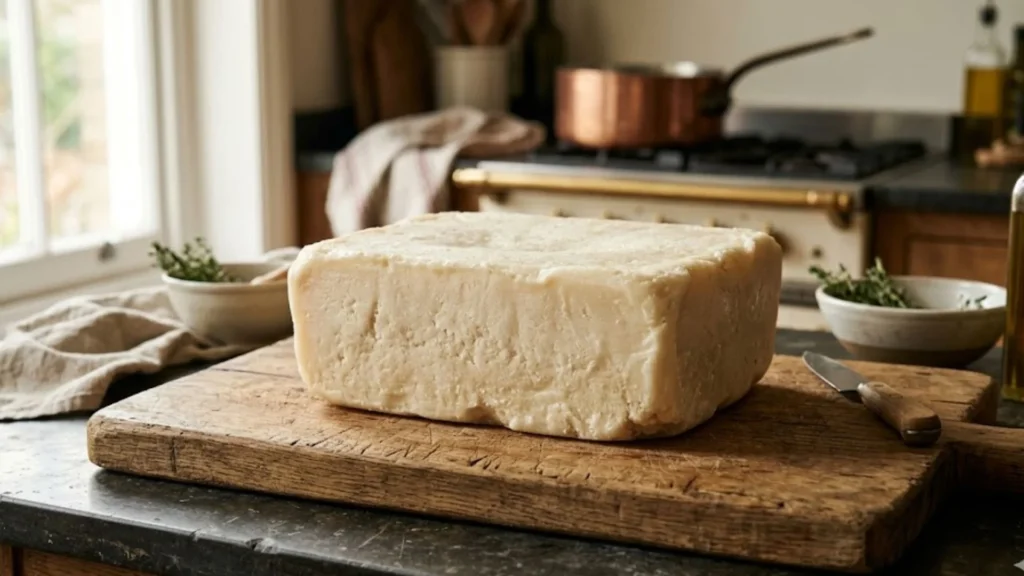
Beef tallow is simply fat from a cow that has been melted down and cleaned. It starts as suet, which is the hard, white fat found around the kidneys and loins. This is not the greasy stuff on the outside of a steak. That is different. Suet is dense and dry.
When you heat it slowly, the fat melts. The solids (called cracklings) float to the top. You strain them out. What is left is pure, smooth, rendered beef fat. It looks like butter, but it is harder at room temperature.
What is beef tallow in terms of chemistry? It is mostly healthy saturated fats and monounsaturated fats. It contains zero carbs. It is a nutrient-dense fat. That is why the carnivore diet crowd loves it. So do people on keto and the paleo diet.
Here is the kicker: beef tallow is incredibly stable. Unlike vegetable oils, it does not go rancid quickly. It has a high smoke point (around 400°F to 420°F). That means you can blast it with high heat. It will not break down into toxic chemicals. You cannot say that about olive oil.
The Huge Beef Tallow Benefits You Need to Know
People used to think all fat was bad. We now know that is a lie. Beef tallow is packed with good things. Let’s look at nutrition.
A single tablespoon of grass-fed contains:
- Calories: 115-130
- Total Fat: 13g
- Saturated Fat: 6g (the stable kind)
- Monounsaturated Fat: 5g (the heart-healthy kind)
- Vitamins: A, D, E, K, and B12
Why is this good for you?
First, It helps your body absorb vitamins. You need fat to process Vitamin D and K. Second, grass-fed beef tallow has a better omega-3 to omega-6 ratio. Too much omega-6 (found in soybean oil) causes inflammation. Tallow balances that out.
Third, it contains Stearic Acid. This is a saturated fat that actually lowers LDL (bad) cholesterol. It also gives you steady energy. No sugar crashes here.
Is it healthy? If you eat a standard American diet full of sugar and processed food, adding tallow won’t fix you. But if you swap your cheap vegetable oil for beef tallow? Yes. That is a massive win for your body.
Cooking with Beef Tallow: The King of High Heat
You want crispy? You want juicy? You want fries that taste like your childhood? You need for cooking.
Here is a painful flop I learned the hard way. Last year, I tried to sear a steak in extra virgin olive oil. I cranked the heat. Within two minutes, my kitchen looked like a smokehouse. The oil burned. The steak tasted bitter. I threw it away. It was a waste of $30.
Then I switched to beef tallow.
The smoke point is a game-changer. It can reach 420°F before it starts smoking. This is higher than butter or coconut oil.
Best Uses for High Heat
- Deep Frying: Beef tallow for deep frying makes the crunchiest chicken wings and fries. It is the secret to that old-school diner taste. Use beef tallow for frying once, strain it, and reuse it.
- Searing Steaks: You get a dark, crispy crust without burning the fat.
- Roasting Vegetables: Toss carrots or potatoes in melted tallow. Roast at 425°F. They come out sweet and crispy on the outside.
McDonald’s used to fry their fries in beef tallow. They stopped in the 90s. People still complain about it today. That is how good it is.
How to Make Beef Tallow at Home (Save Money!)
Buying online can cost $15 for a small jar. That is crazy. You can make a huge batch for almost free.
Making at home is easier than baking a cake. You just need patience.
Step 1: Get the Fat
Go to a butcher. Ask for “beef suet.” This is the hard fat around the kidneys. It costs maybe $2 per pound. If you ask nicely, they might give it to you for free because no one buys it.
Step 2: The Rendering Process
You are learning how to render. It is a slow melt.
- Chop: Cut the suet into small 1-inch cubes.
- Pot Method: Put the pieces in a heavy pot. Add 1/2 cup of water. This stops it from burning at the start. Turn the heat to low.
- Slow Cooker Method: Dump the fat in a Crockpot. Set it to low. Walk away for 6-8 hours.
Step 3: Strain and Store
You will see liquid fat and floating brown bits (cracklings). Strain it through a cheesecloth into a glass jar. Throw away the solids. Let it cool.
How to store is easy. Keep it in an airtight jar. On the counter, it lasts for one year. In the fridge, it lasts two years. In the freezer? Forever.
If you want the best quality, use grass-fed from the start. It has more nutrients.
Beef Tallow vs. The World (Butter, Lard, Oil)
You might be standing in your kitchen, wondering, “Should I use beef tallow vs butter?” Or beef tallow vs lard? Let’s settle it.
Beef Tallow vs. Butter
- Smoke Point: Butter burns at 350°F. Tallow wins.
- Flavor: Butter has a sweet, milky taste. Tallow is neutral and savory.
- Lactose: Tallow has zero dairy. If you are sensitive to milk, choose tallow.
Beef Tallow vs. Lard
- Source: Tallow is beef. Lard is pork.
- Texture: Lard is softer. Tallow is hard.
- Nutrition: Both are good, but grass-fed beef tallow usually has more Vitamin E than pork lard.
Beef Tallow vs. Vegetable Oil
This is not a fight. It is a massacre. Vegetable oils (canola, soybean) oxidize when heated. They create aldehydes (toxic compounds). Beef tallow is chemically stable. It does not turn into poison on your stove. That is why traditional cooking fats are coming back.
Beyond the Kitchen: Beef Tallow for Skincare
This might sound gross. But stick with me. The skincare is a viral trend on TikTok for a reason. Your skin is made of fat. Cow fat is chemically similar to human sebum.
People use as a moisturizer. They whip it with olive oil. They rub it on their face.
Skincare benefits include:
- Deep hydration for dry, cracked hands.
- Helps with eczema (the fats calm the skin barrier).
- Source of Vitamins A and D for skin repair.
A word of warning: If you have acne, be careful. It is heavy. It can clog pores. Test it on your elbow first. Do not rub it all over your face before a date.
I tried it on my feet last winter. My heels were cracking like the desert. Three nights of tallow and socks? They were as soft as a baby. It works.
Where to Buy Beef Tallow and Current Trends
You do not have to make it. You can buy it.
Where to buy is easy now.
- Online: Amazon, Fatworks, or EPIC Provisions.
- Stores: Whole Foods, local butcher shops, or farmers’ markets.
- Price: Roughly $1.50 to $2.10 per kg, depending on the country.
Current Market Trend: It is exploding in popularity. In 2025, Whole Foods named it a top trend. Brands are launching beef tallow beans and refried pinto beans made with tallow. The market is expected to grow at 30% annually through 2031. People are tired of seed oils. They want organic benefits and real food.
Common Questions (And the Real Answers)
Is beef tallow healthy?
Yes, in moderation. It is a healthy saturated fat. It is far better for frying than industrial seed oils. However, eat vegetables too. Do not just drink tallow.
What is the beef tallow shelf life?
Long. Really long. Beef tallow shelf life is about 12 months at room temperature in a dark jar. If you keep it in the fridge, it lasts 2 years. It goes bad when it smells like paint or grows mold. Usually, it just turns yellow.
Can I reuse beef tallow for deep frying?
Yes! That is the beauty of beef tallow for deep frying. Let it cool. Strain the burnt crumbs. Pour it back in the jar. You can reuse it 5-6 times.
How to make beef tallow at home without a mess?
Use the slow cooker. Put the suet in. Set it to low. Put the lid on. Come back in 8 hours. No splatter. No smell. Just liquid gold.
Beef tallow vs ghee. Which is better?
Ghee is clarified butter. It has a smoke point of 450°F (higher than tallow). Ghee tastes nutty. Beef tallow is neutral. If you want a steak crust, use tallow. If you want popcorn, use ghee.
Conclusion: Go Get Some Fat
Stop cooking with liquid plastic. Throw away the canola oil. It is not doing you any favors. It is real. It is ancient. It is making a comeback for a reason. You can buy it in a jar, or you can make beef tallow at home for pennies. Use it to fry chicken. Rub it on your dry hands. Eat it with a spoon (okay, maybe not a spoon).
The world is realizing that traditional cooking fats are safe. The nutrition is dense. It is nutrient-dense fat that fuels your brain and your body. Do not be scared of the word “saturated.” Be scared of the science experiments in a bottle.
Go to a butcher. Ask for suet. Spend an afternoon rendering. Your future fries will thank you.
1. What is the smoke point of beef tallow?
The beef tallow smoke point is between 400°F and 420°F (204°C to 215°C). This makes it one of the best oils for high-heat cooking like searing and deep frying.
2. Is beef tallow better than olive oil for frying?
Yes. Olive oil has a low smoke point (350°F). It burns easily. Beef tallow is stable and does not oxidize at high heat. Use olive oil for salads. Use tallow for frying.
3. How long does homemade beef tallow last?
If you store it in an airtight container away from light, beef tallow’s shelf life is about one year on the counter. In the refrigerator, it can last up to 18 months.
4. Does beef tallow clog arteries?
Current research suggests that healthy saturated fats like stearic acid (found in tallow) do not raise heart disease risk the way trans fats do. However, balance is key. Always pair fats with a diet rich in fiber and vegetables.
5. Can you use beef tallow for skincare every day?
Yes, if you have very dry skin. Beef tallow skincare works well as a night cream or for eczema patches. If you have oily or acne-prone skin, test a small area first to avoid breakouts.
Read More: Dodgers vs Rockies