The traditional image of a university student—hunched over a desk in a silent library corner, fueled by caffeine and isolation—is rapidly becoming a relic of the past. As higher education shifts toward more complex, interdisciplinary models, the “lone wolf” study habit is being replaced by sophisticated collaborative learning frameworks. These frameworks aren’t just about “group work”; they represent a fundamental change in how information is processed, retained, and applied in the real world.
For modern undergraduates, the pressure to maintain a high GPA while developing professional soft skills is immense. This is where my assignment help australia provides a bridge between rigid classroom instruction and the flexible, high-level comprehension required in today’s competitive landscape. By moving away from rote memorization and toward a shared exchange of ideas, students are finding that they can tackle more rigorous coursework without the burnout associated with traditional methods.
The Limitations of the “Solo Study” Model
For decades, the gold standard of education was independent mastery. However, this model often hits a ceiling when students encounter high-level conceptual hurdles.
- Cognitive Overload: A single perspective can only process so much information before hitting a wall.
- Echo Chambers: When studying alone, if you misunderstand a concept, you are likely to reinforce that error rather than correct it.
- Lack of Soft Skill Development: Traditional studying ignores communication, negotiation, and teamwork—the very skills employers prioritize.
Defining Collaborative Learning Frameworks
Collaborative learning is a pedagogical approach where students work together to solve problems, complete tasks, or understand new concepts. Unlike simple group projects, these frameworks are structured to ensure individual accountability and positive interdependence.
Key Components of Modern Frameworks:
- Peer-to-Peer Teaching: Explaining a concept to a classmate is one of the most effective ways to solidify your own understanding.
- Shared Problem Solving: Tackling a complex case study as a team allows for diverse perspectives that a single student might miss.
- Digital Integration: Using shared docs and virtual whiteboards to maintain a continuous flow of information.
Bridging the Gap: Theoretical Knowledge vs. Practical Application
The transition from reading a textbook to applying that knowledge in a 3,000-word essay or a lab report is where many students struggle. The following table illustrates the shift from old-school habits to modern, collaborative-focused strategies.
| Feature | Traditional Study Habits | Collaborative Learning Frameworks |
| Primary Goal | Memorization of facts | Application of concepts |
| Interaction | Isolated/Independent | Interactive/Social |
| Feedback Loop | Delayed (after grading) | Instant (via peer review) |
| Outcome | Individual Grade | Comprehensive Understanding |
The Technical Hurdle: Why Specialized Support is Growing
As students move into the middle of their degrees, the technicality of the subjects increases. It is no longer enough to “write well”; you must be able to analyze data and interpret complex systems. This is particularly true in STEM and social science tracks where data is king.
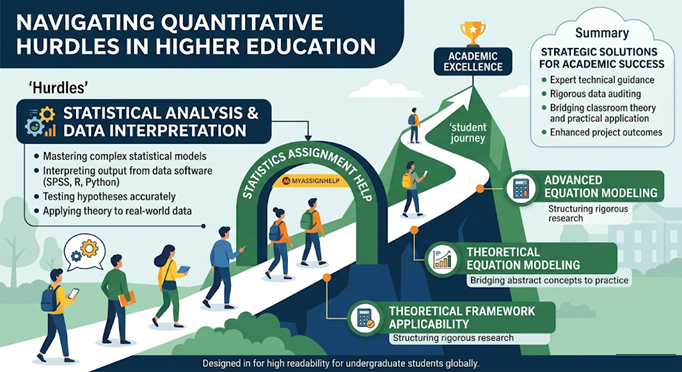
Many students find that while they excel at the theoretical side of their degree, the quantitative requirements—such as data modeling or hypothesis testing—require a more surgical approach. For instance, Myassignmenthelp Services ensures Statistics Assignment Help meets international academic standards, which has become a vital strategy for those who need to ensure their data analysis is rigorous. This type of targeted assistance allows students to focus on the broader implications of their research while ensuring the technical foundations are flawless.
Why Google Favors “Information Gain” in Academic Content
In the current digital landscape, ranking an article isn’t just about keywords; it’s about “Information Gain.” Google’s algorithms are designed to reward content that adds something new to the conversation. For an undergraduate student or a guest poster, this means:
- Evidence-Based Claims: Always back up assertions with references to modern educational trends.
- Readability: Breaking down complex academic jargon into digestible, conversational prose.
- Originality: Discussing how technology is changing the feel of the classroom, not just the tools used.
The Psychological Benefit: Reducing Academic Anxiety
One of the most overlooked aspects of collaborative frameworks is the impact on mental health. The isolation of traditional study often leads to “imposter syndrome.” When students engage in collaborative environments, they realize their peers share the same struggles. This normalization of difficulty reduces anxiety and fosters a growth mindset.
By sharing the load—whether through study groups or by utilizing professional academic resources—students can manage their time more effectively. This leads to a more balanced life, where education is a journey of discovery rather than a marathon of stress.
Frequently Asked Questions (FAQ)
Q1: Does collaborative learning lead to “groupthink”?
Ans: Not if the framework is structured correctly. Modern frameworks encourage “constructive controversy,” where students are taught to challenge ideas respectfully to reach a more robust conclusion.
Q2: Is seeking professional academic support considered “cheating”?
Ans: No. Utilizing guidance, proofreading, and technical tutoring is a form of supplemental learning. It is similar to hiring a private tutor or using a writing center; it helps you understand the “how” and “why” behind the work.
Q3: How do these frameworks help with career readiness?
Ans: The modern workplace is entirely collaborative. By practicing these habits in university, you are developing the ability to communicate complex ideas to teammates—a skill that is highly valued in every industry.
Q4: What is the best way to handle technical subjects like Statistics?
Ans: Technical subjects require a mix of theoretical understanding and software proficiency. Combining peer study with expert technical support ensures you don’t get bogged down in calculation errors and can focus on the actual results.
About The Author
I am Min Seow, an academic consultant and educational strategist dedicated to helping students navigate the complexities of modern higher education. With a background focused on developing collaborative learning frameworks, my work involves bridging the gap between theoretical classroom concepts and practical, high-level academic application.